Where to stay in Famagusta
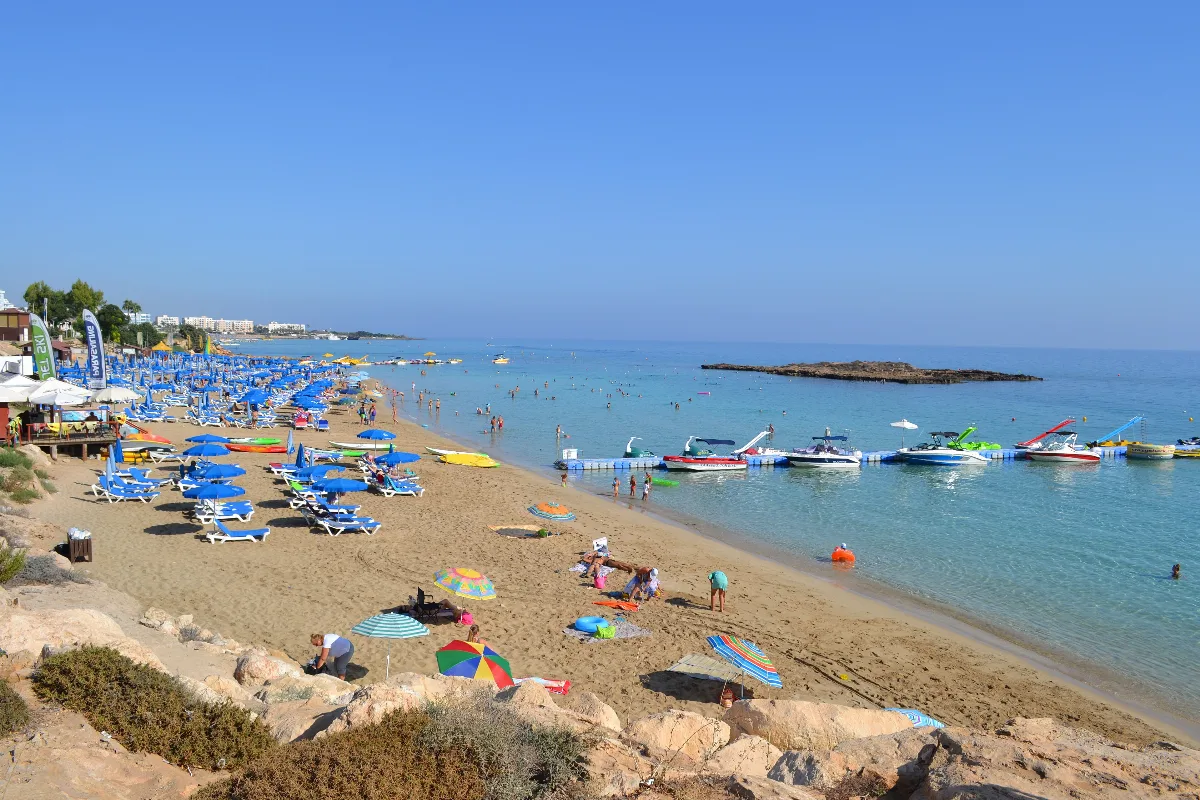
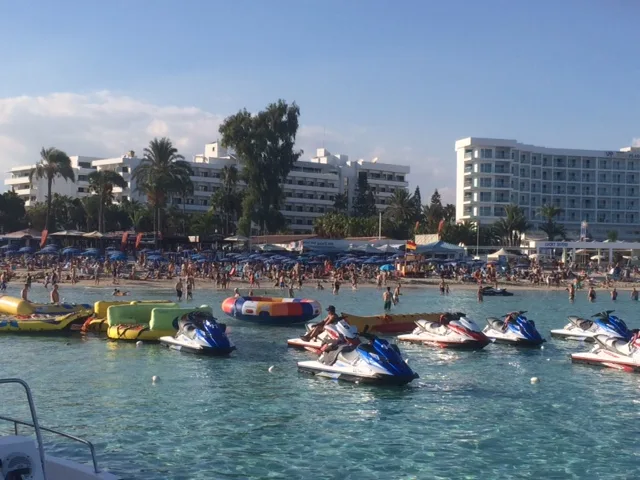
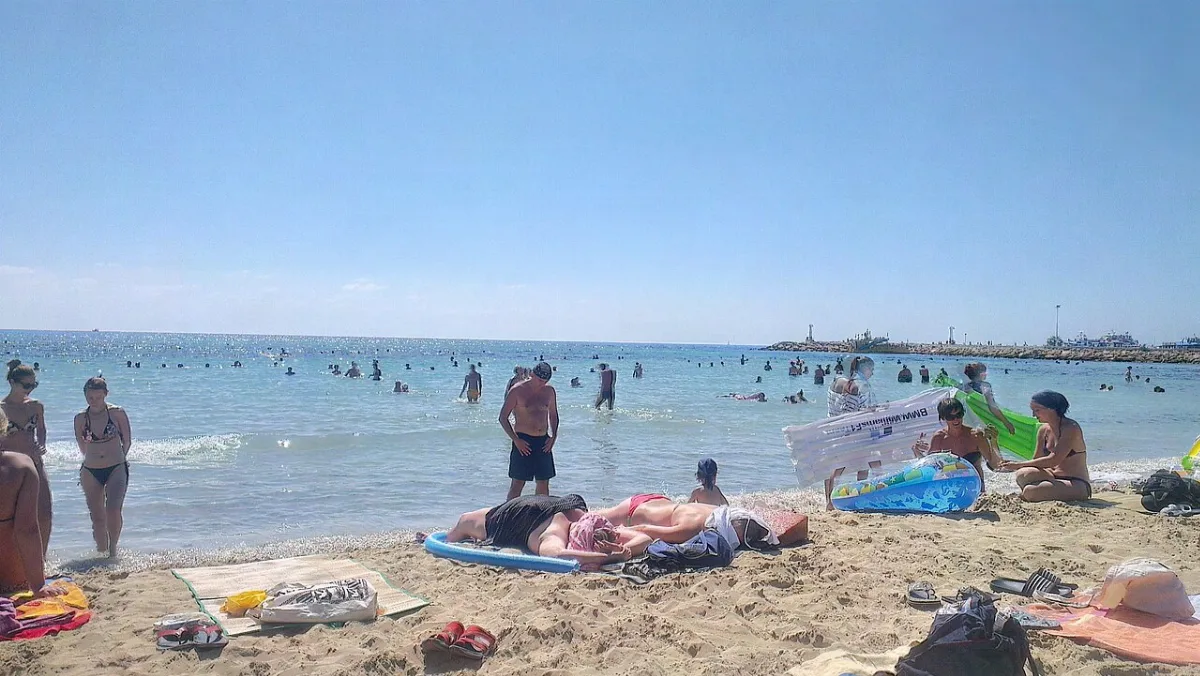
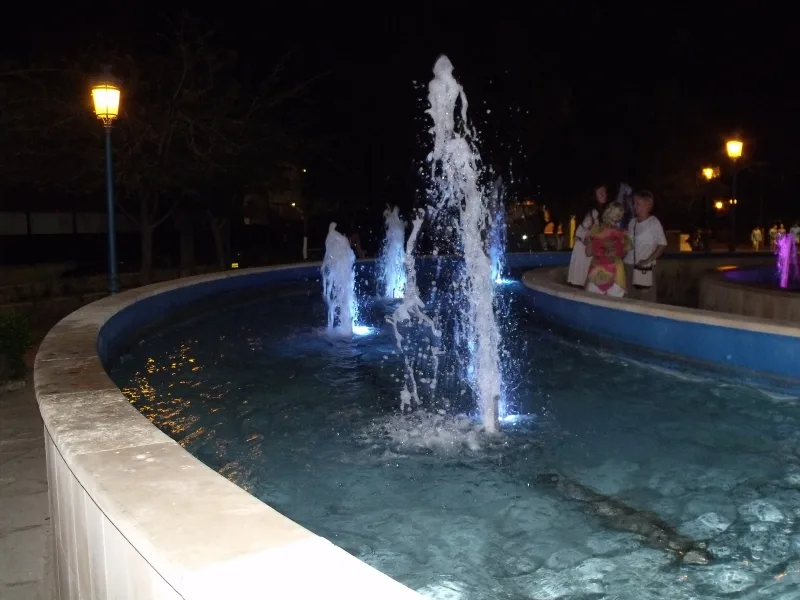
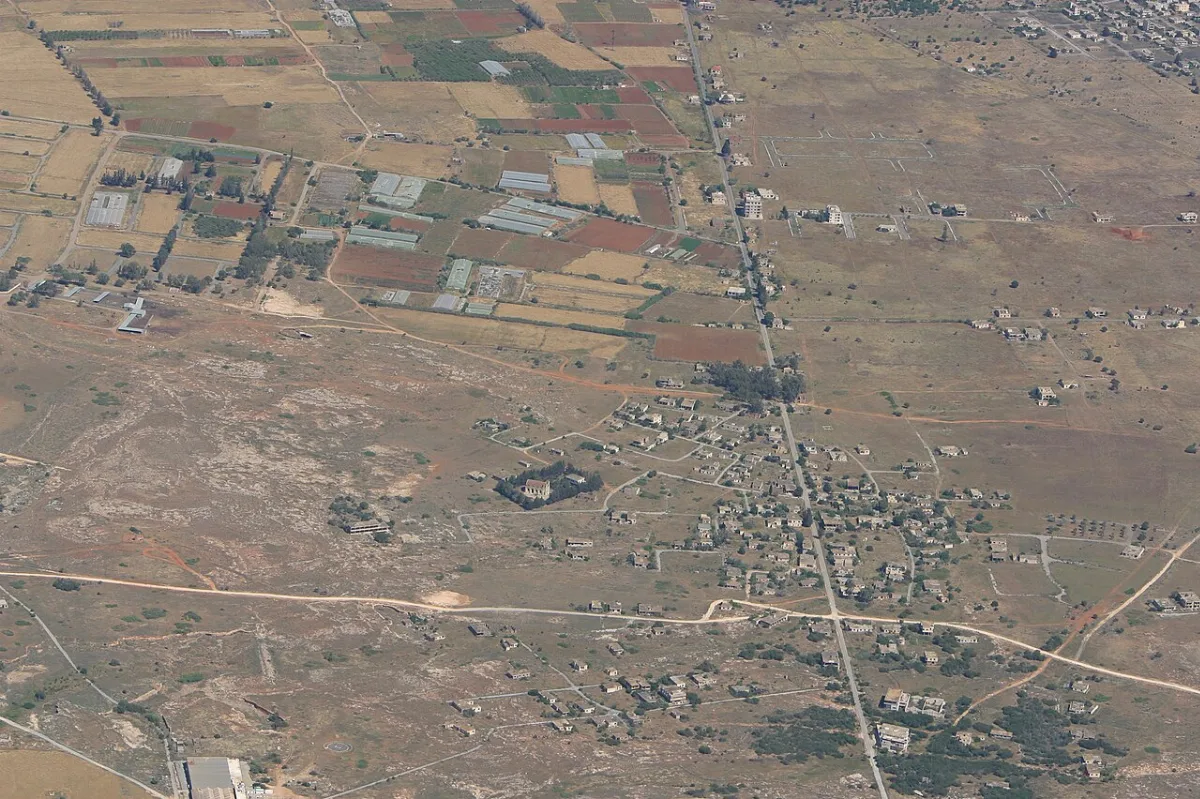
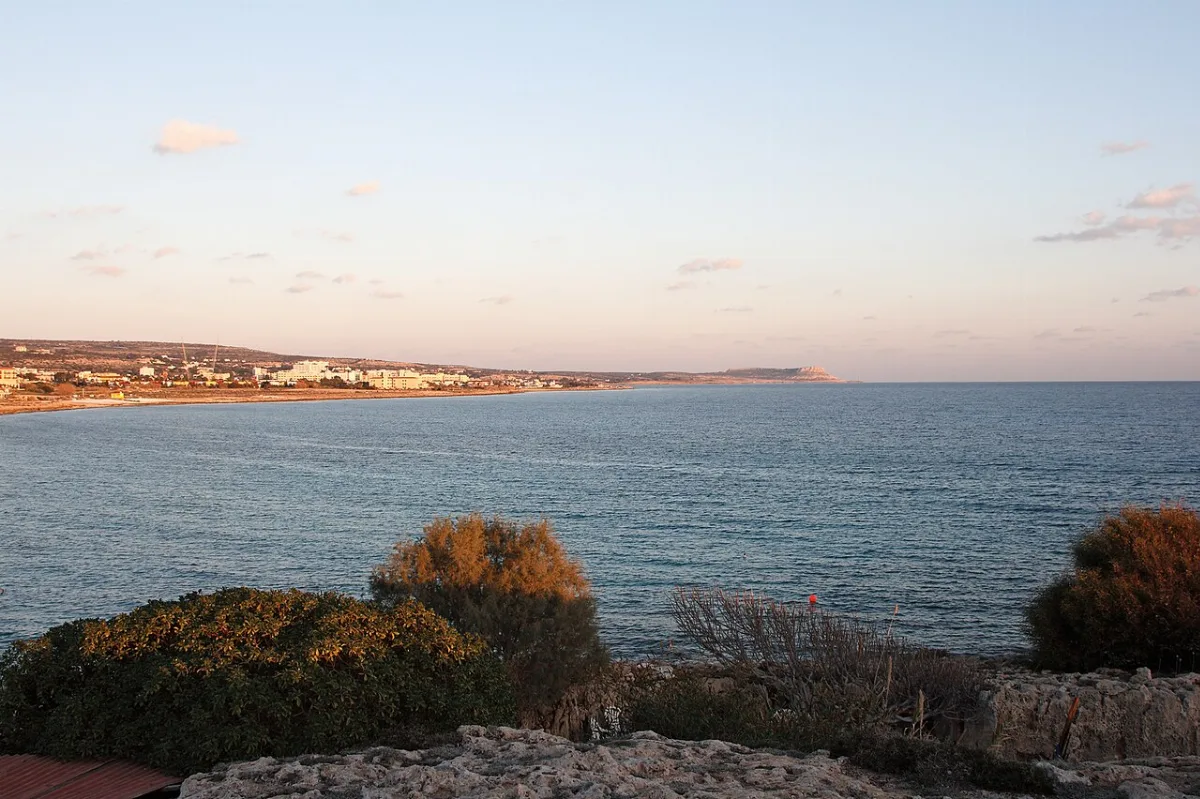
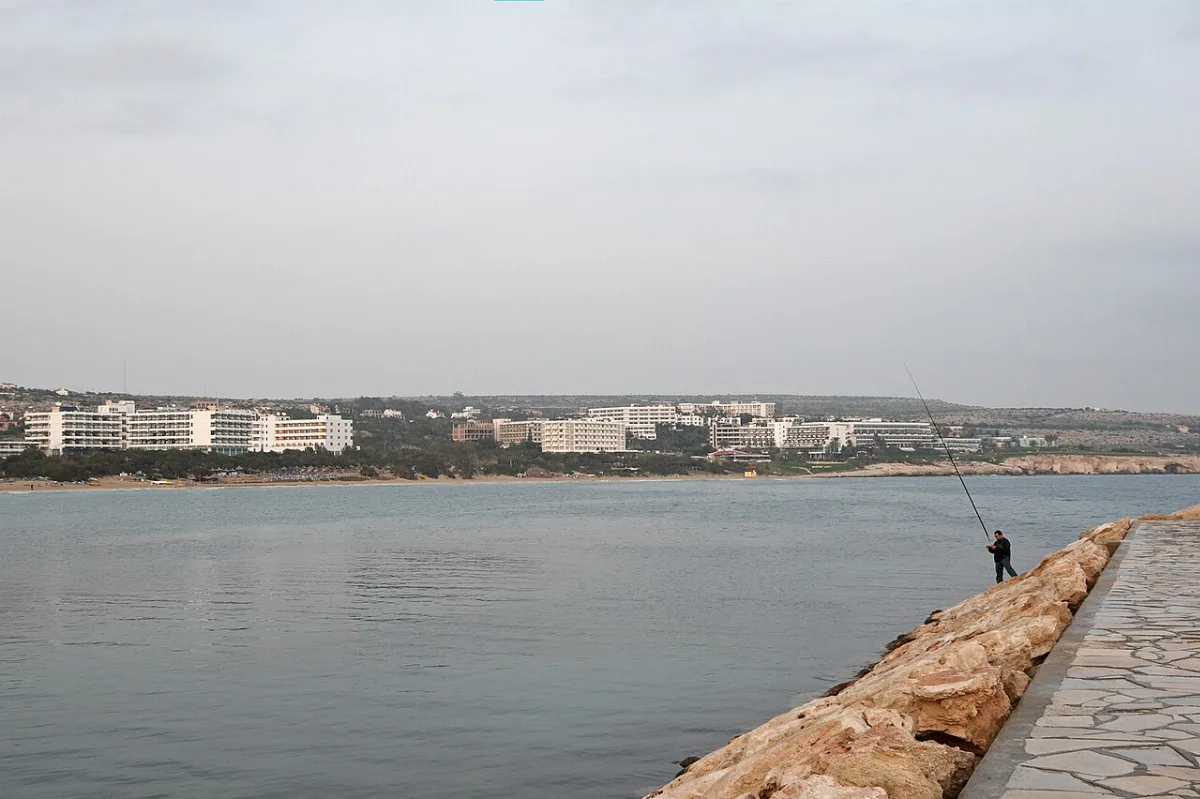
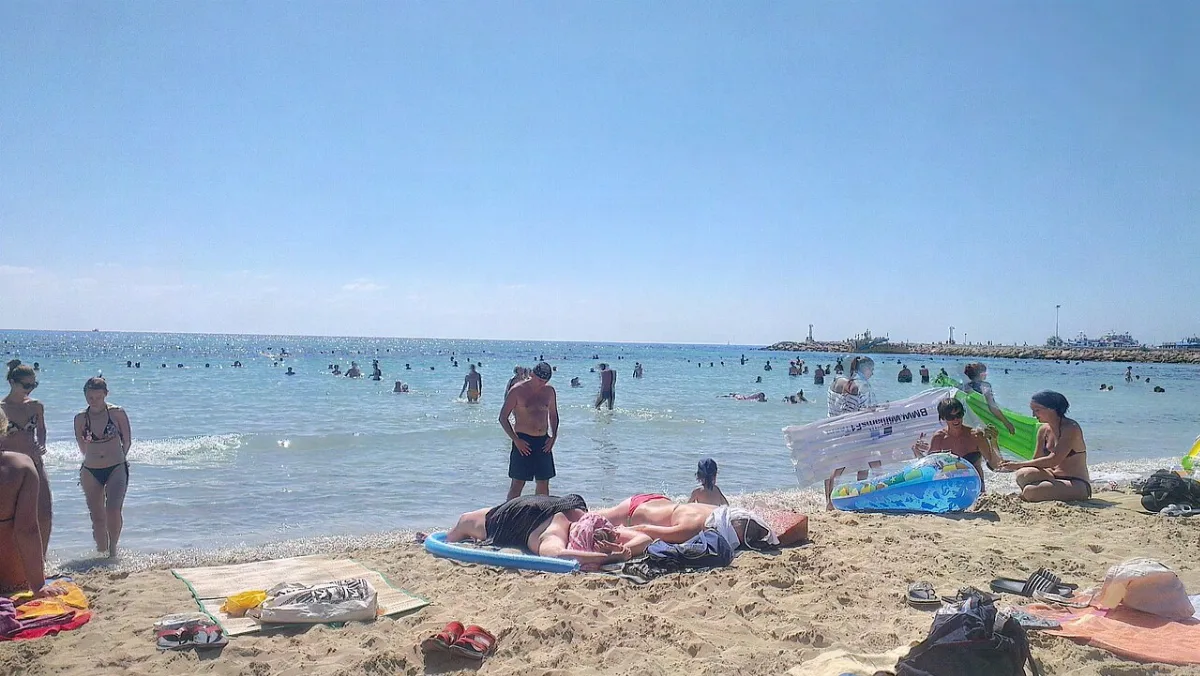
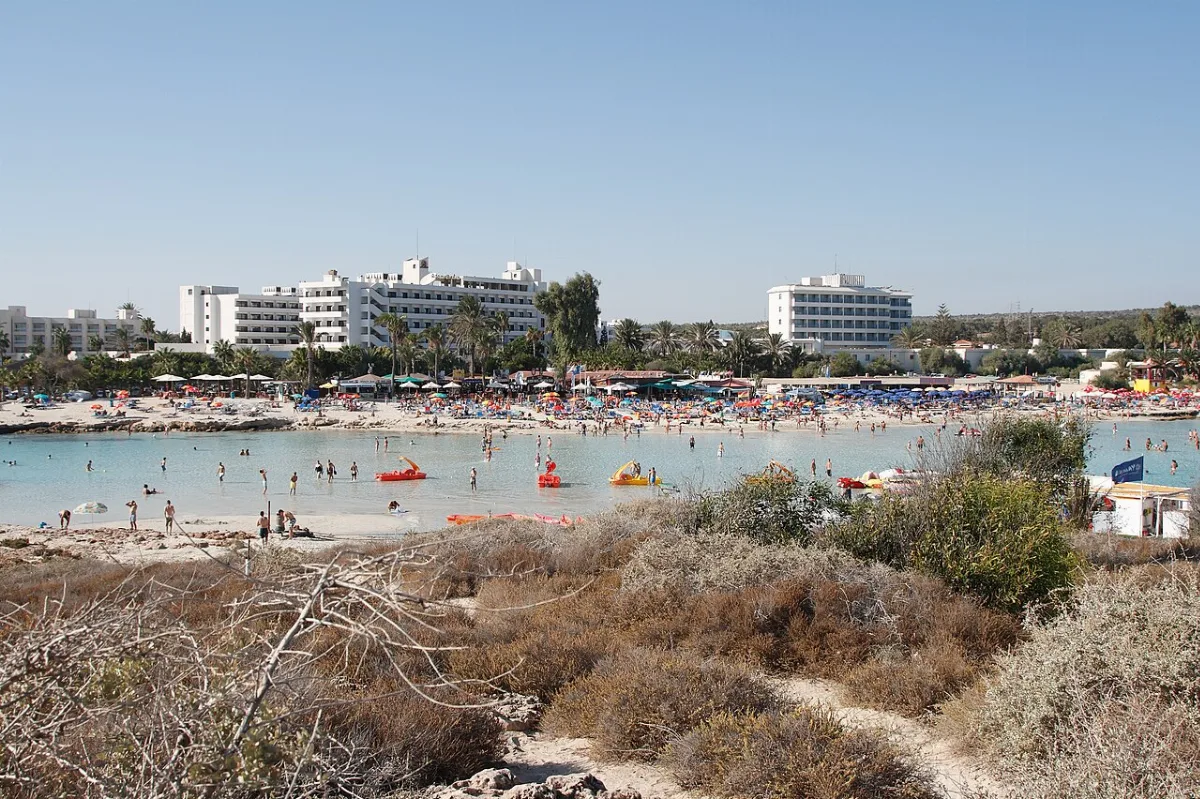
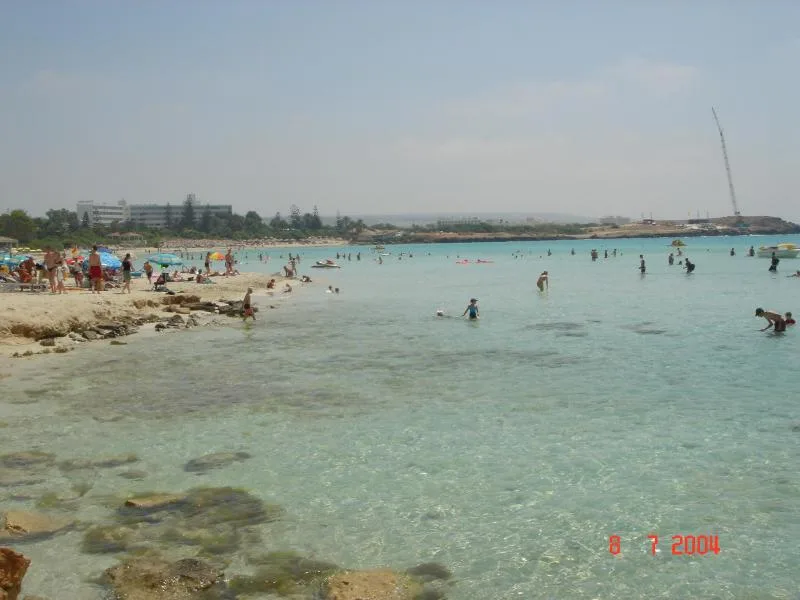
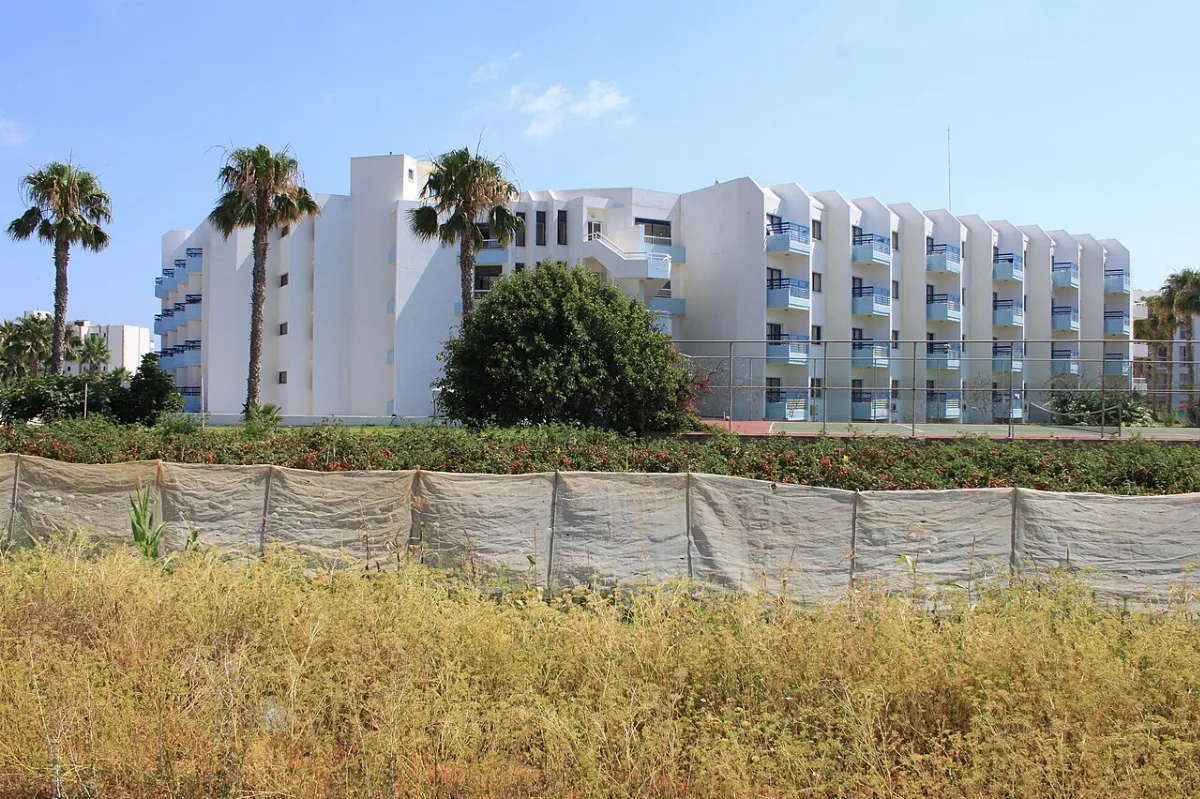
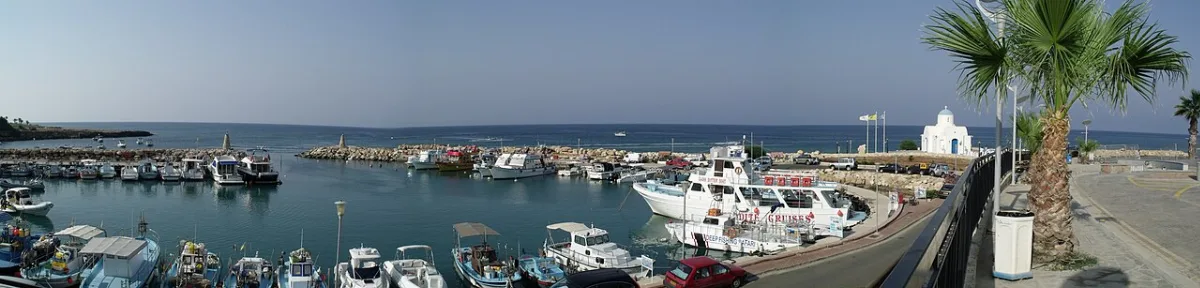
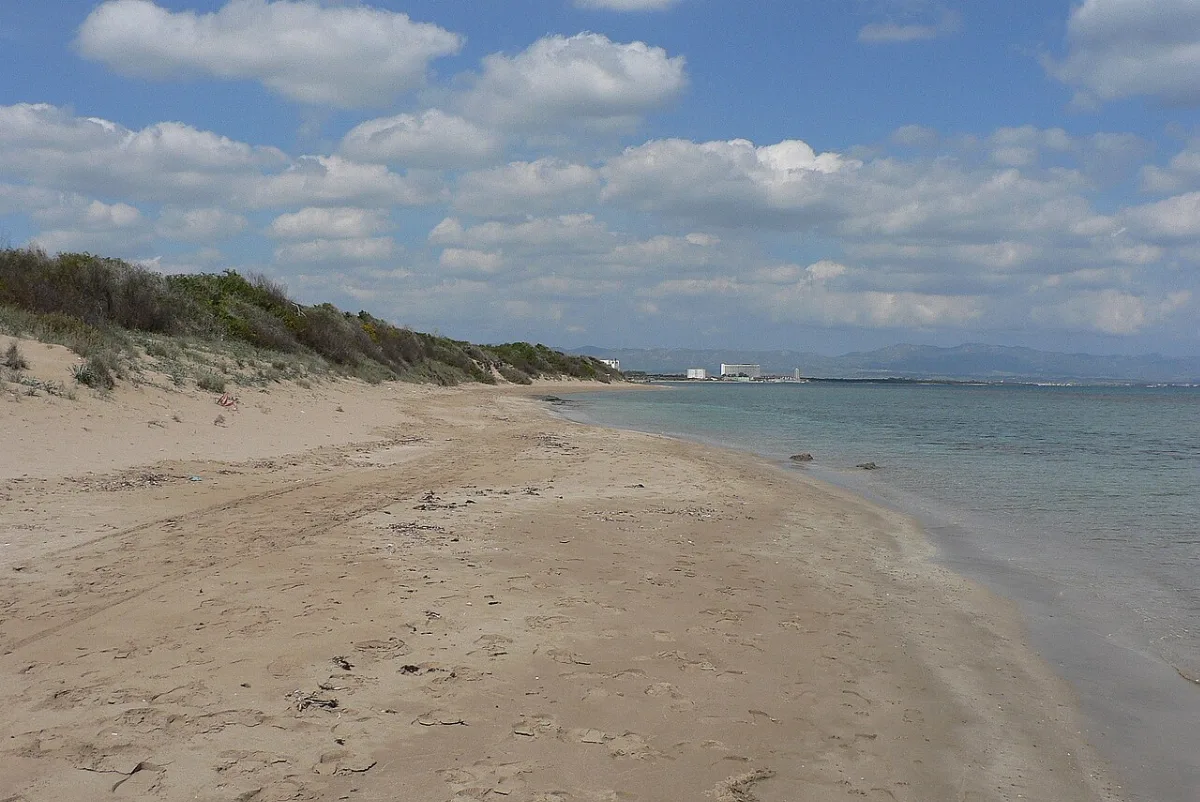
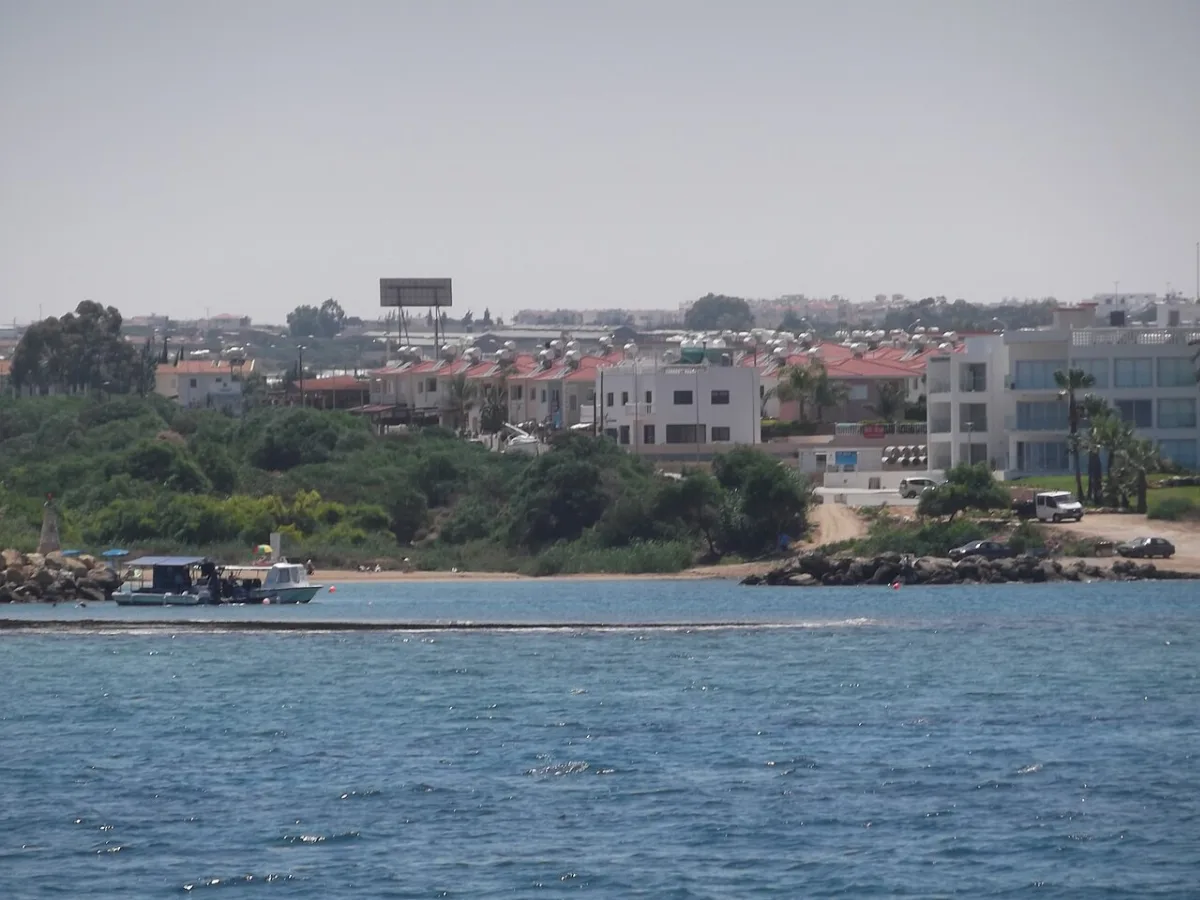
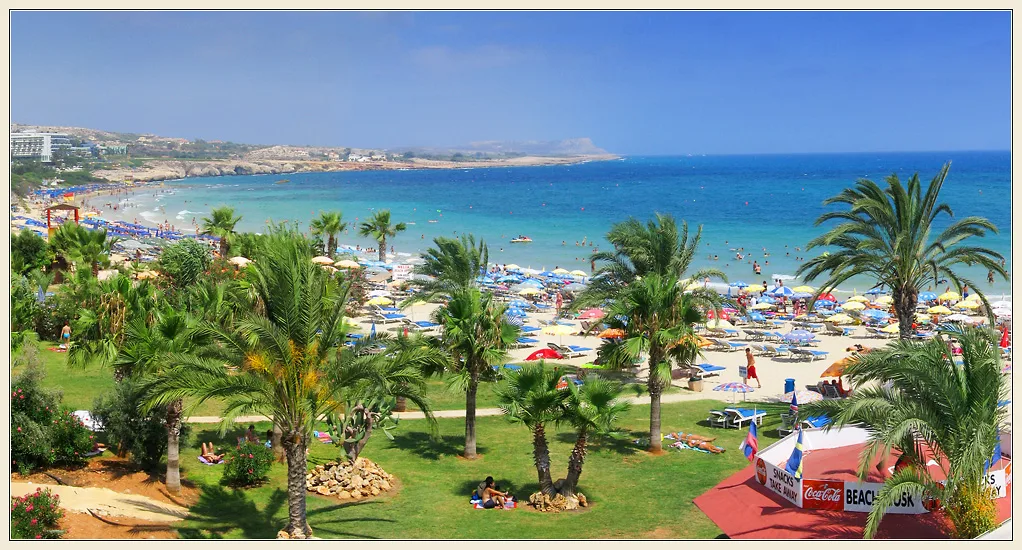
Protaras is the family base: sandy bays like Fig Tree Bay, calm water, an easy seafront. Ayia Napa is the lively one, though it has grown up around its marina and Nissi Beach is world class by any measure. Inland, the red-soil villages around Liopetri and Xylofagou are where the famous Cyprus potatoes grow.
Getting there and around
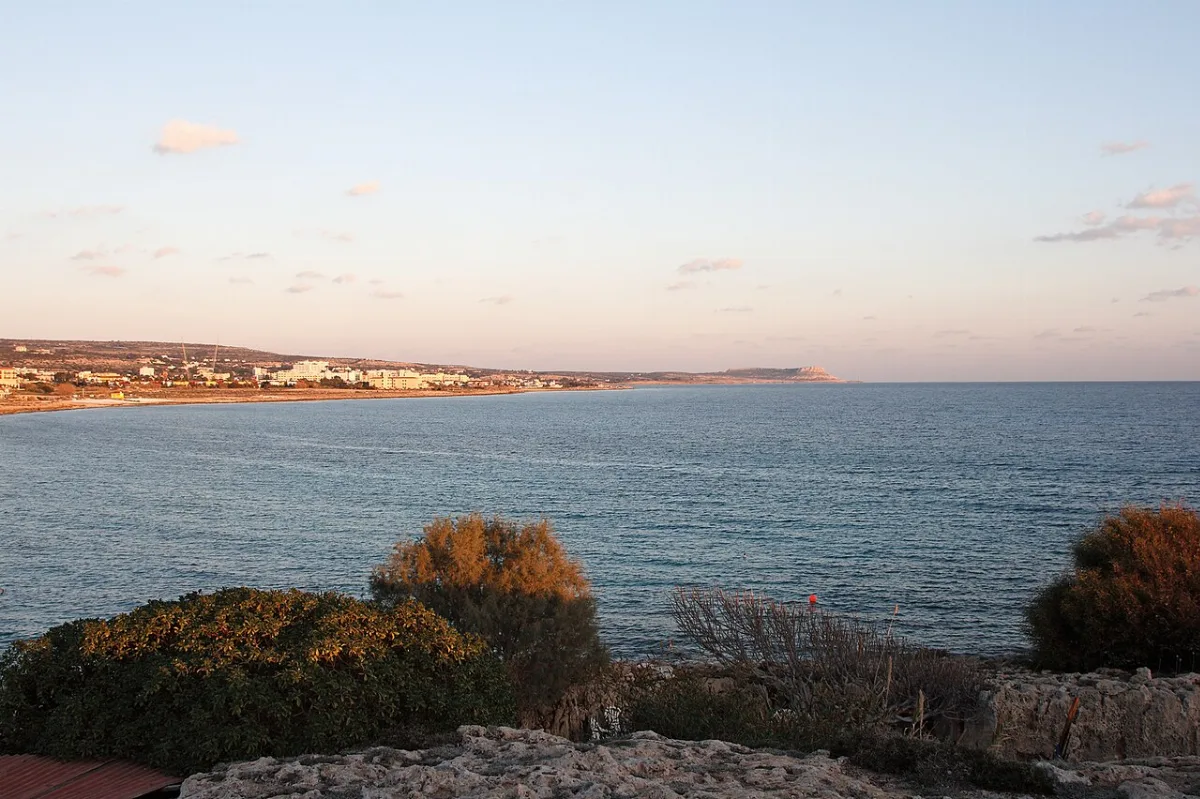
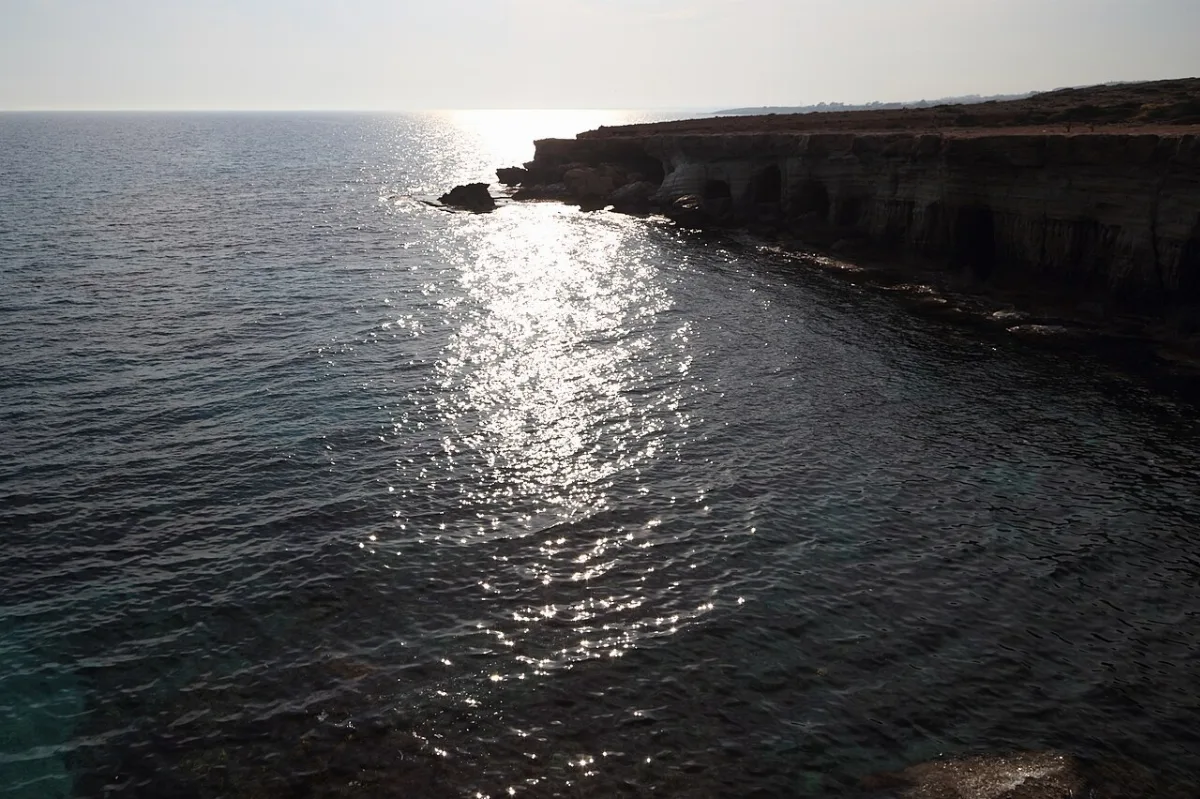
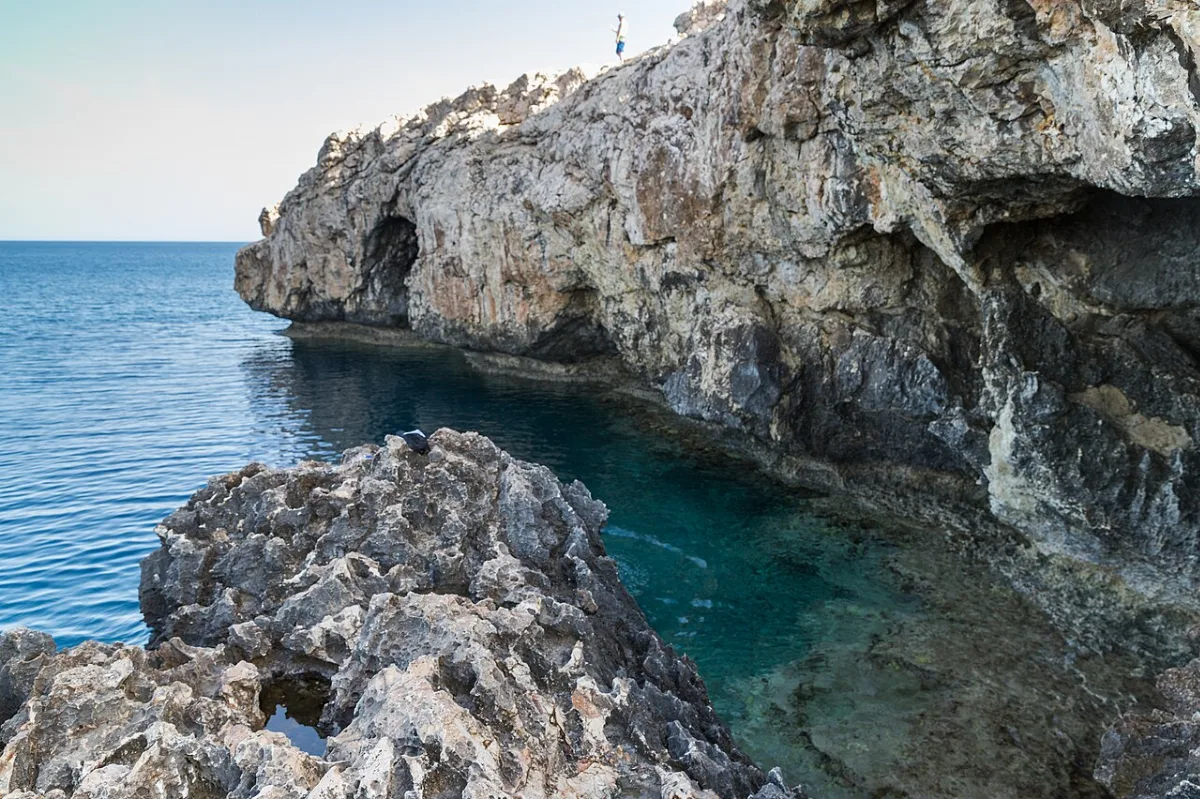
From Larnaca airport it is 45 to 60 minutes by motorway; direct shuttle buses run all season. Local 101 and 102 buses shuttle between Ayia Napa and Protaras until late. The Cape Greco national park between the two towns is the walk to do: sea caves, a natural arch and the clearest water on the island.
Planning when to come? See the month-by-month guide, check Cyprus in October, or the practical essentials and bus routes.
Our pick of the best in the region, so you do not have to scroll for it.
Common questions about Famagusta
Which is better for families, Ayia Napa or Protaras?
Protaras: shallow sandy bays, a quieter seafront and family hotels. Ayia Napa has the bigger beaches and the nightlife. They are 10 minutes apart, so many families stay in Protaras and dip into Ayia Napa.
What are the best beaches in the Famagusta region?
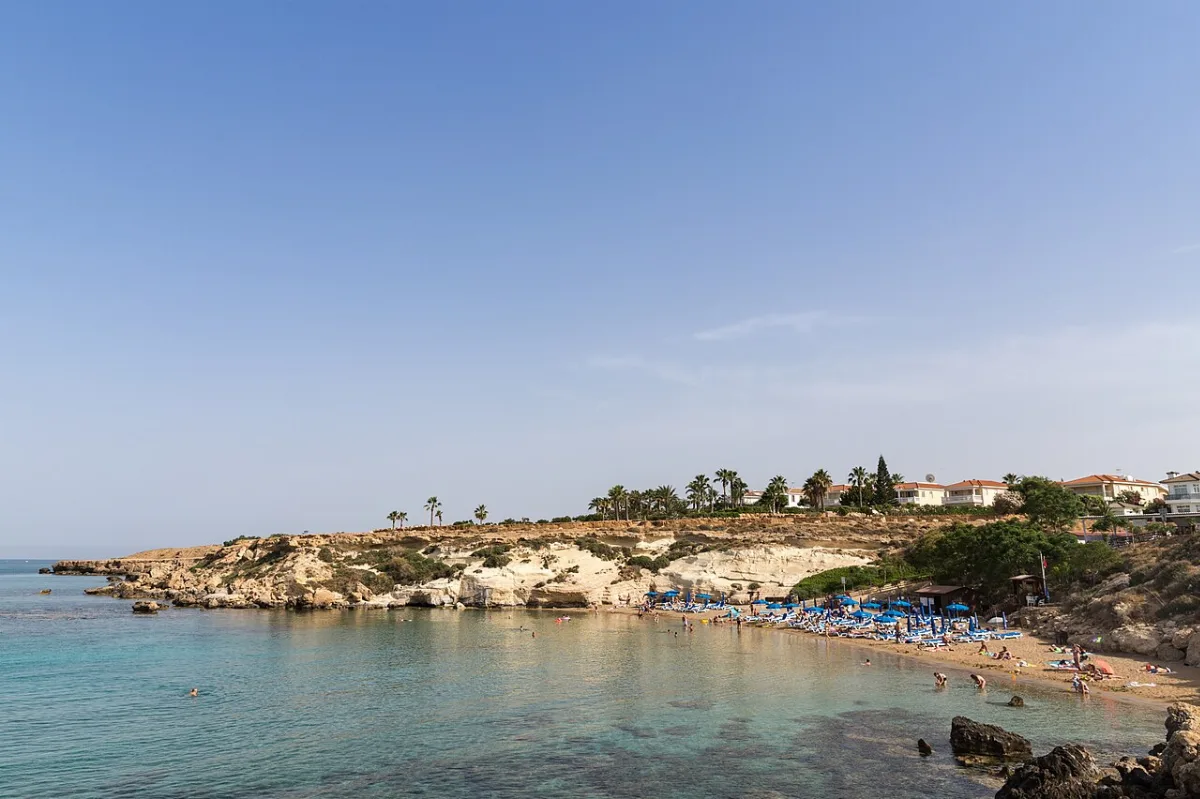
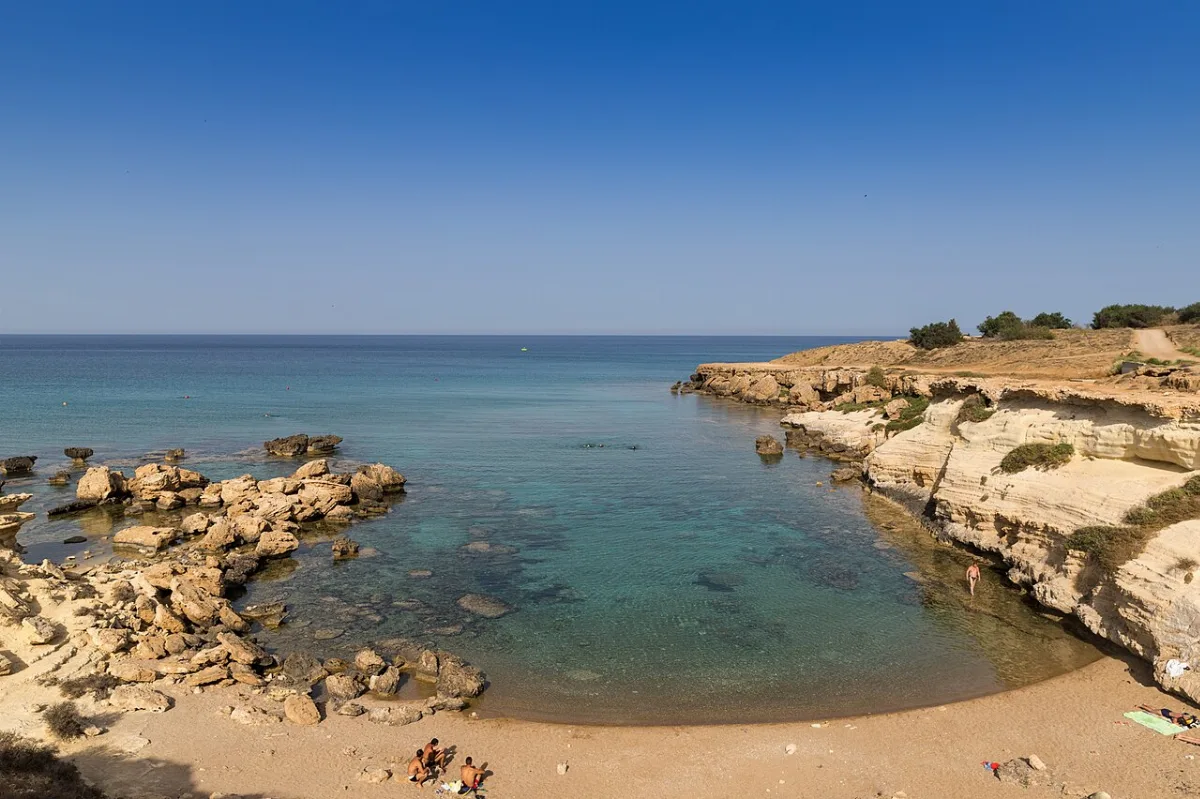
Nissi Beach and Makronissos in Ayia Napa, Fig Tree Bay and Konnos Bay toward Protaras. Konnos, tucked under Cape Greco, is the most photogenic; all hold EU Blue Flag ratings most years.
Can you visit Varosha, the abandoned city?
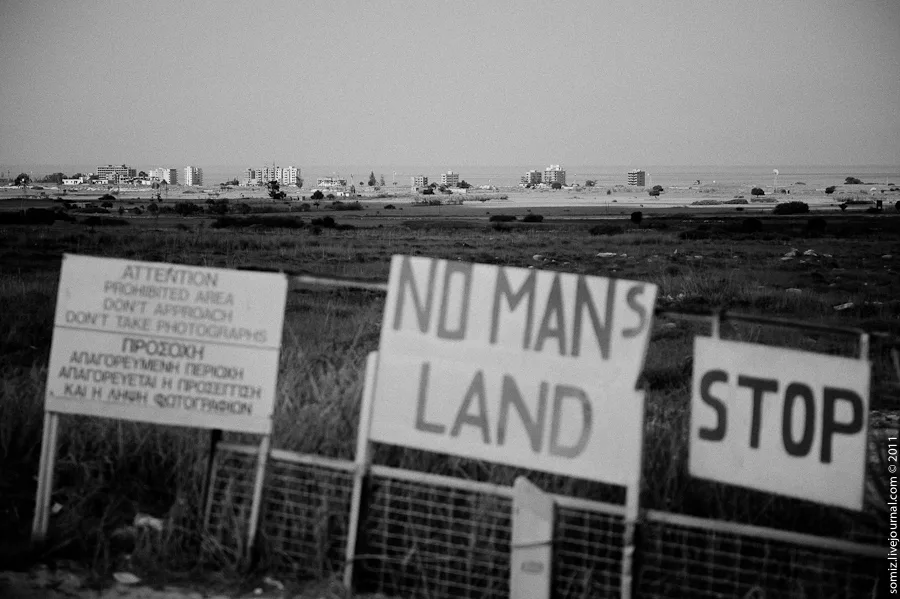
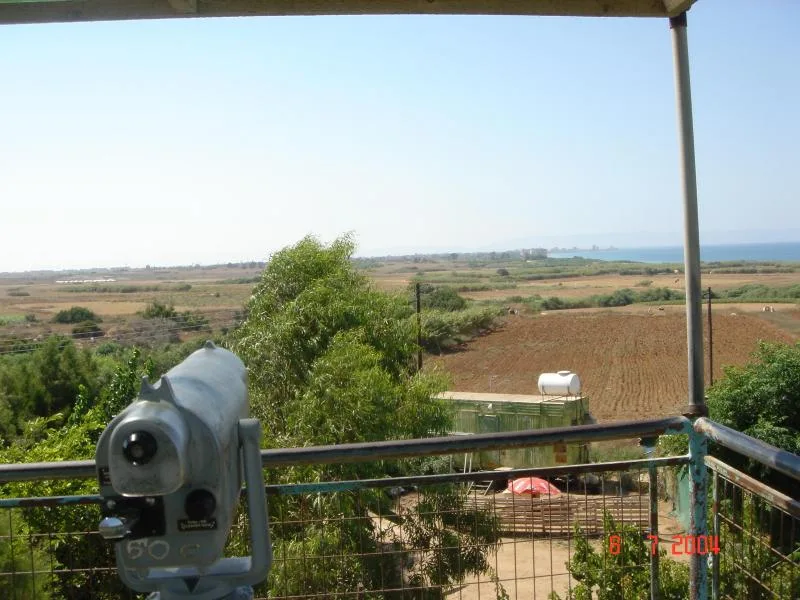
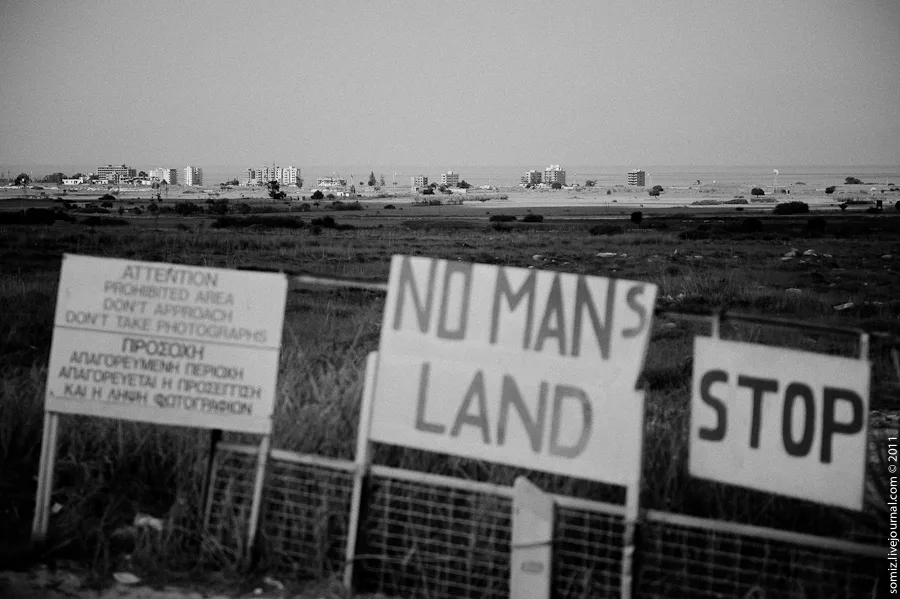
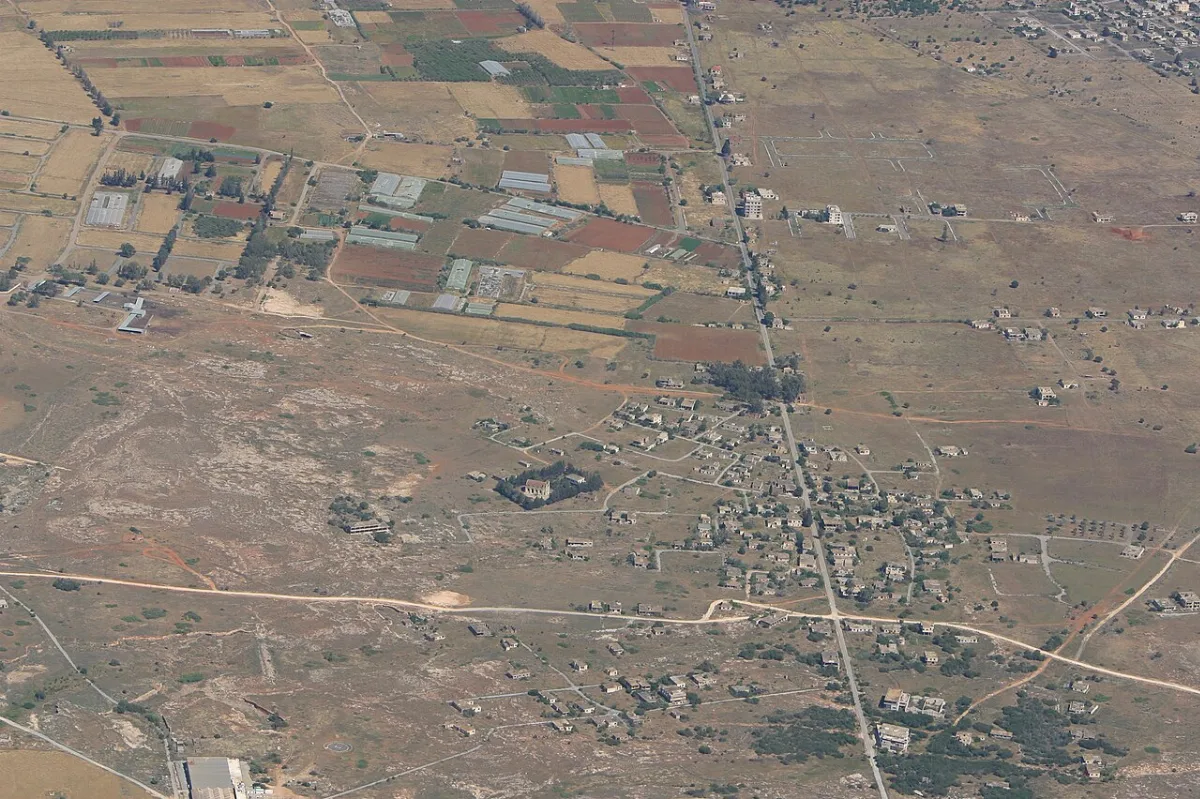
Parts of the fenced ghost town reopened to visitors via the north in 2020. It sits across the Green Line: bring a passport, check crossing rules, and treat it as the sobering site it is rather than a photo stop.
What to do in Ayia Napa and Protaras besides beaches?
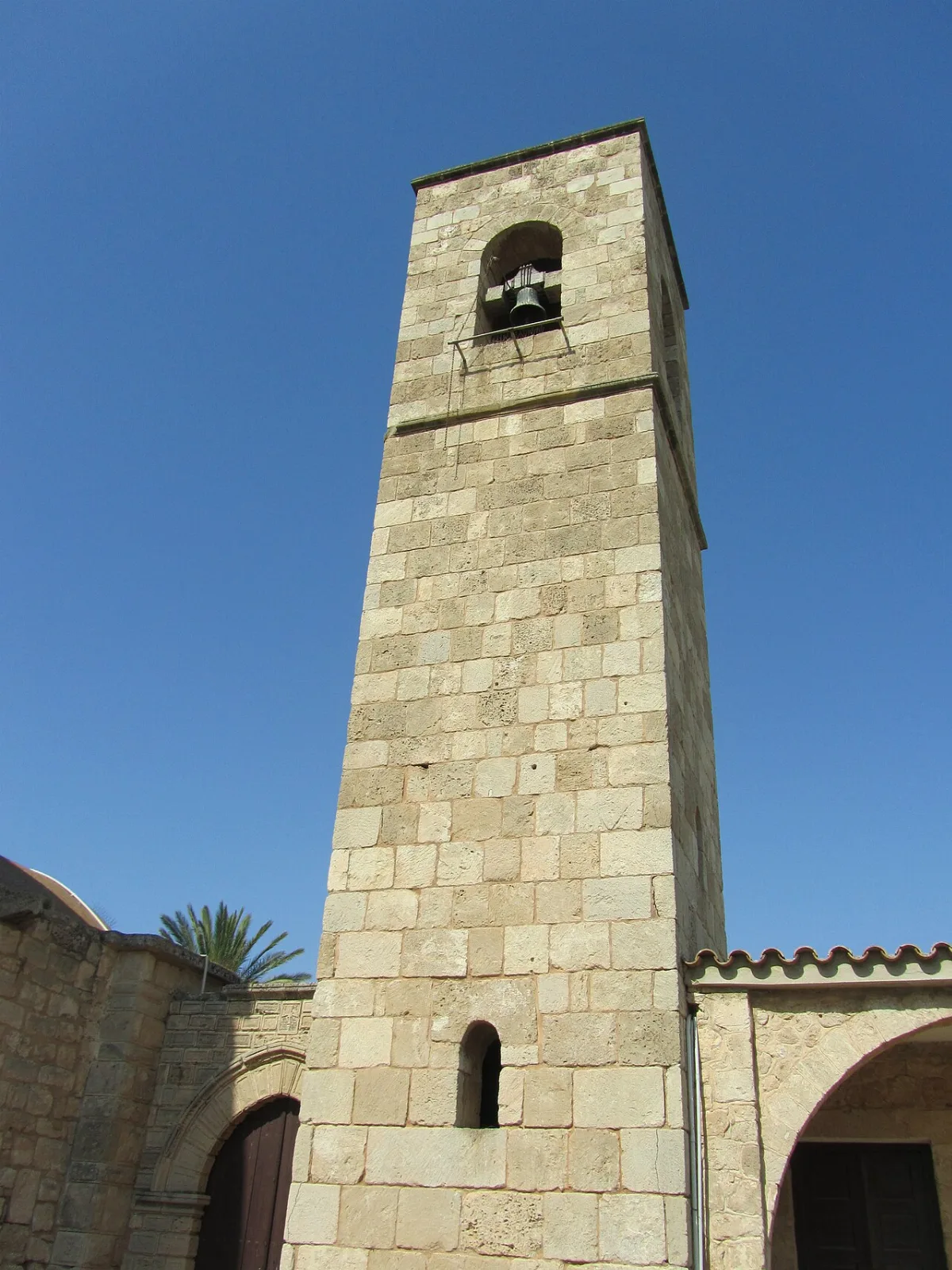
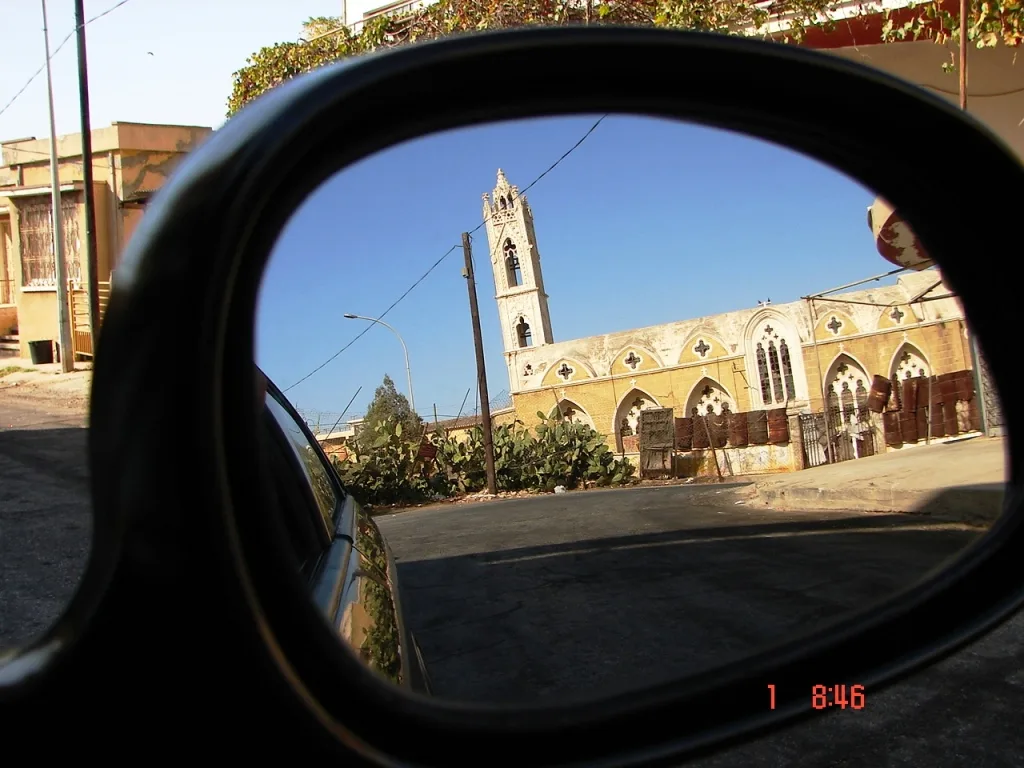
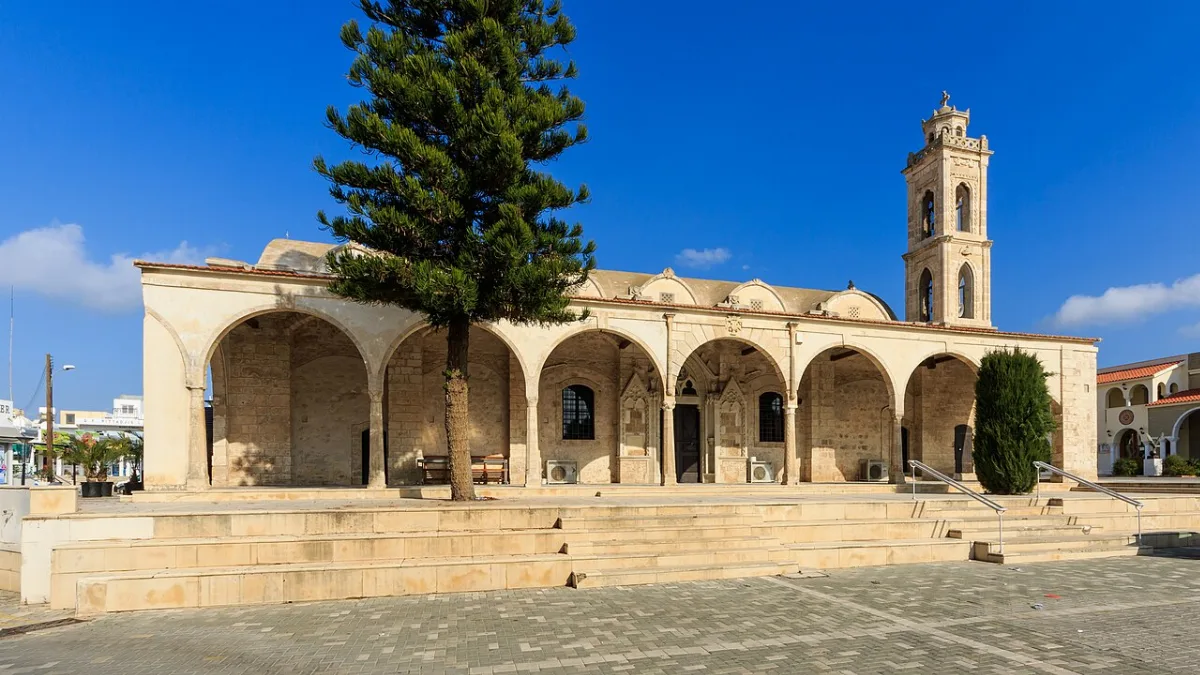
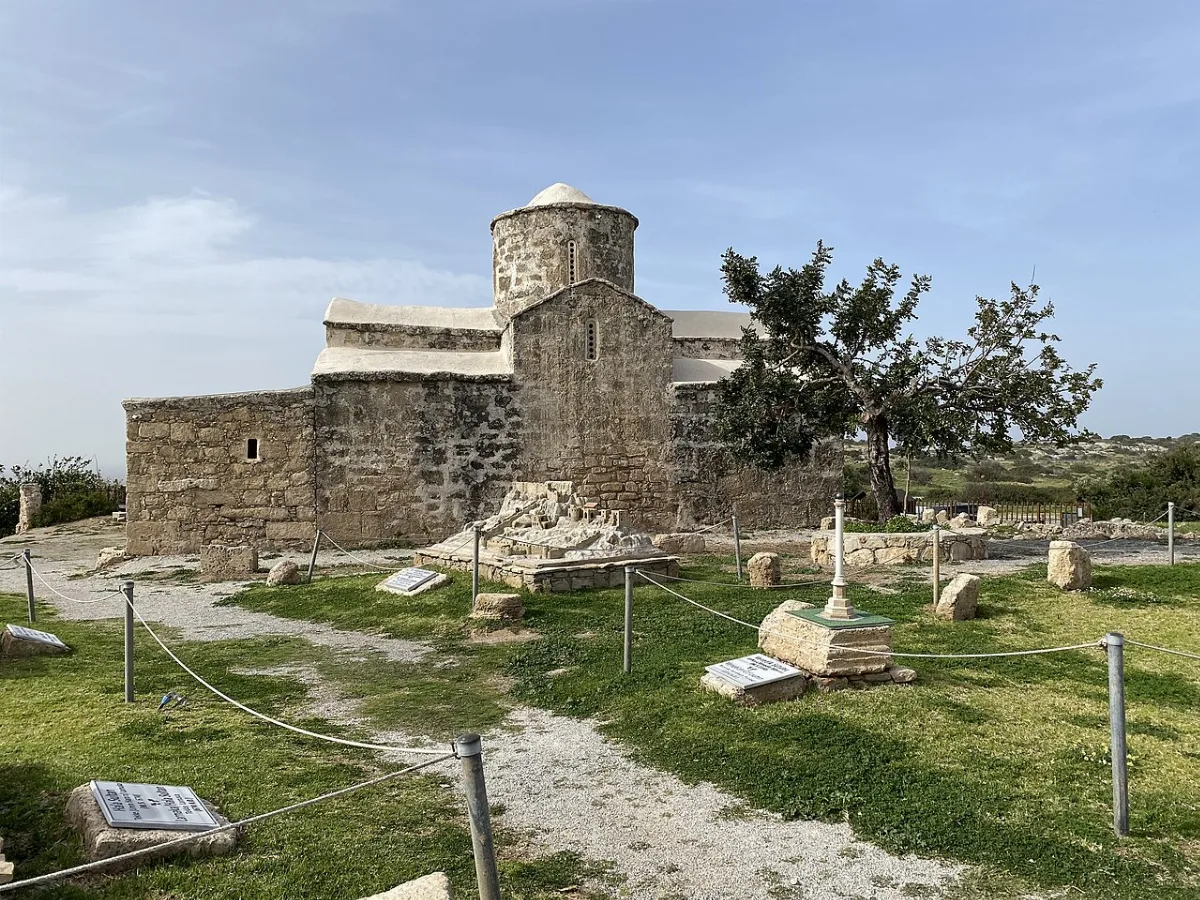
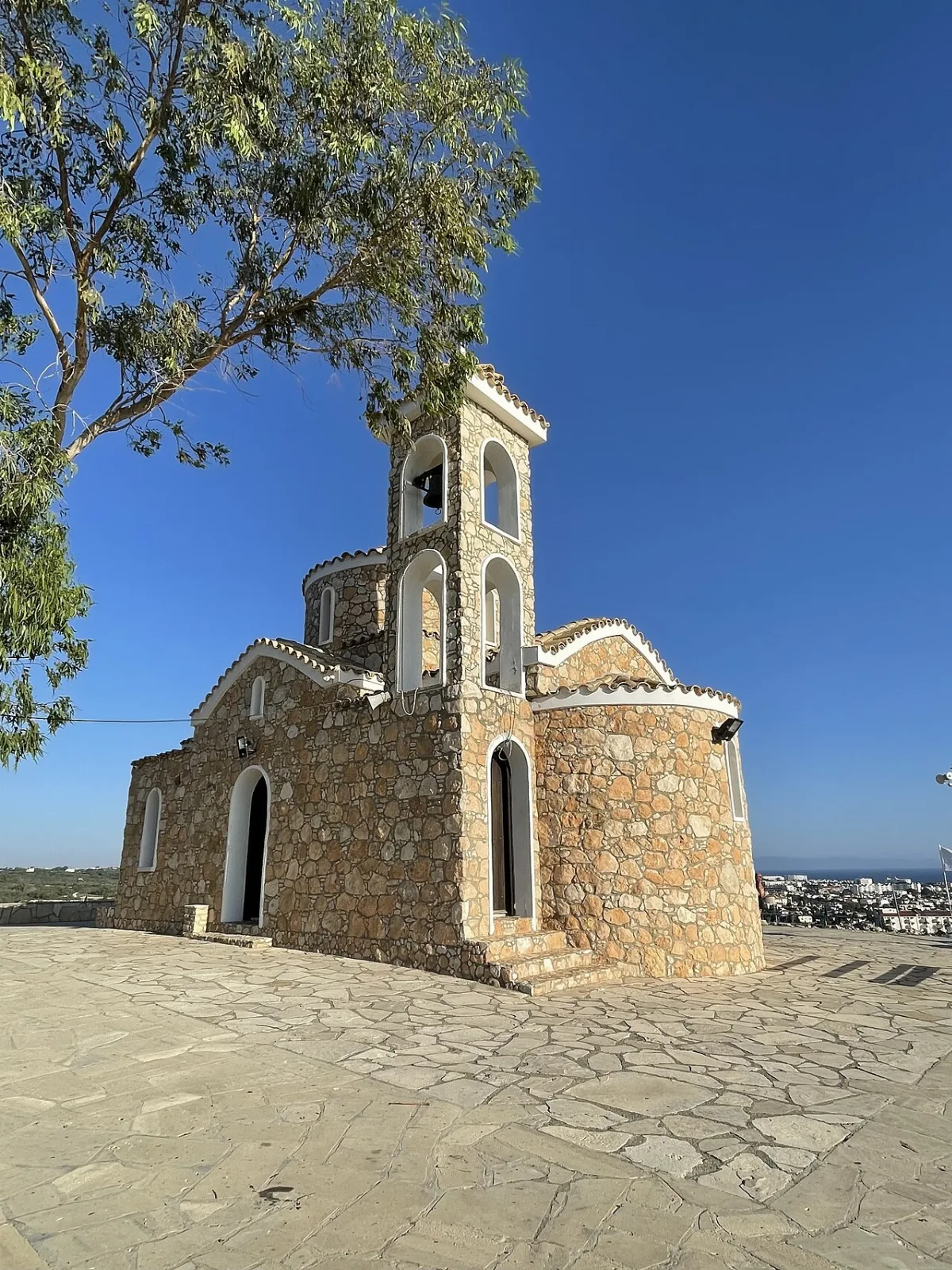
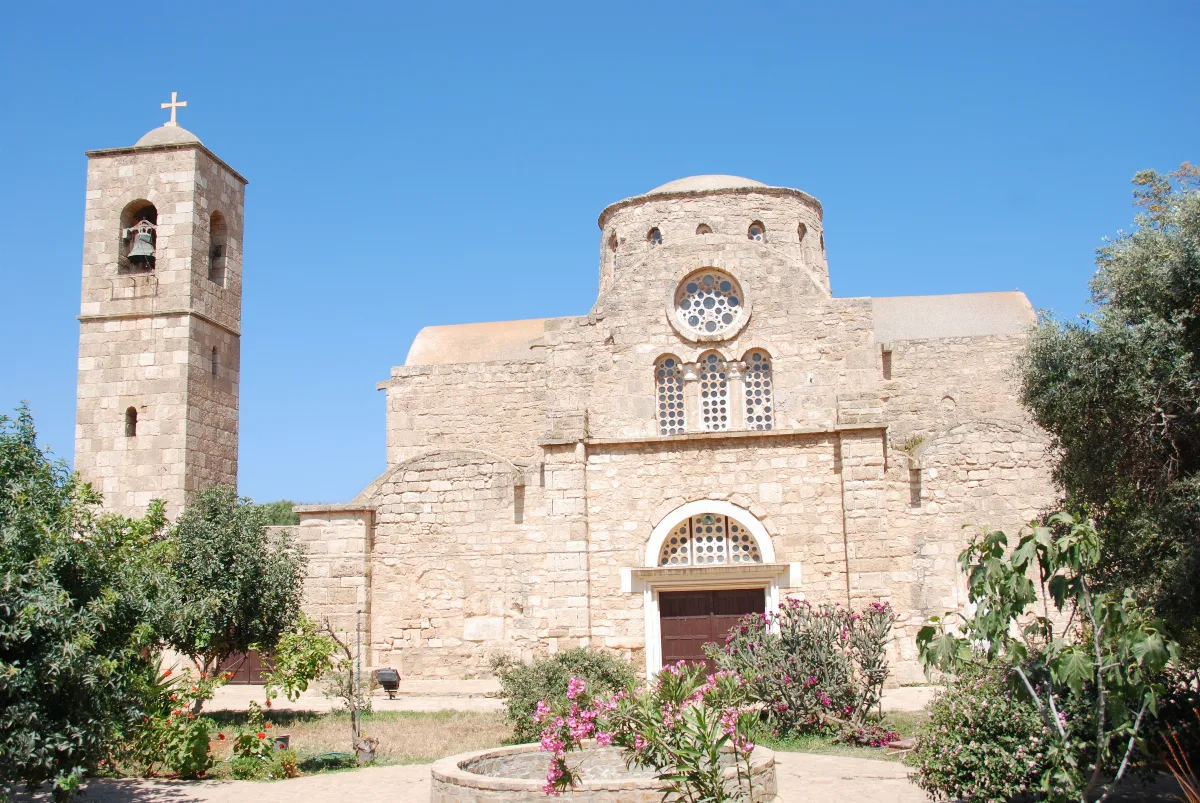
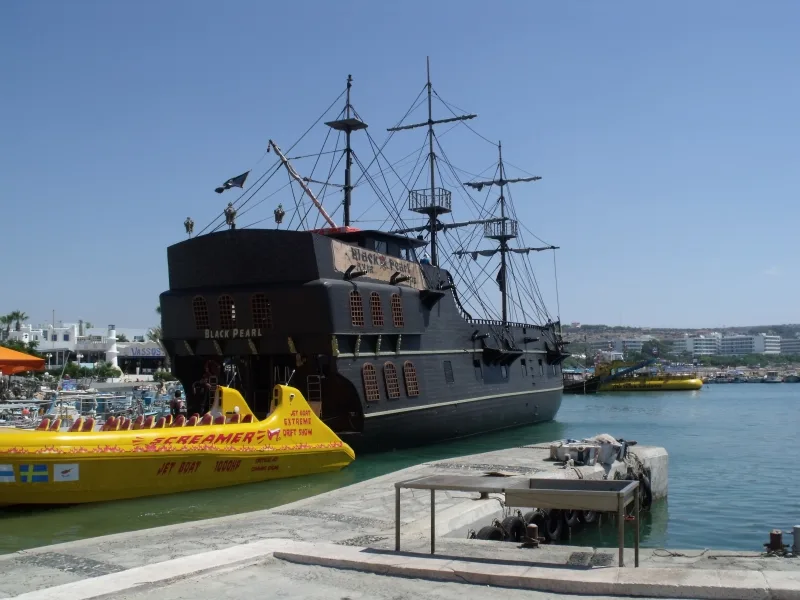
Walk Cape Greco's sea caves and natural arch, take the boat trips to the Blue Lagoon, visit the Thalassa sea museum and the old monastery in Ayia Napa's square, and climb to the Profitis Ilias chapel above Protaras at sunset. The Liopetri red villages inland show the farming Cyprus most visitors miss.